
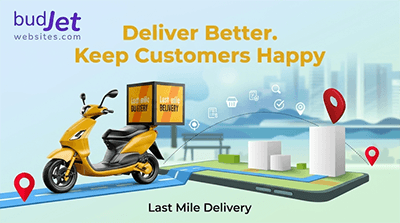
Why Last-Mile Delivery Matters in eCommerce
In the modern eCommerce industry, the customer experience does not end when a customer clicks the "Buy Now" button. The final stage of the purchase journey—when the product reaches the customer's doorstep—often determines whether they become a repeat customer or choose another brand.
This final stage is known as Last-Mile Delivery.
Although it represents the shortest physical distance in the shipping process, it is often the most challenging and expensive part of logistics. Delivery delays, poor communication, and unsuccessful delivery attempts can negatively affect customer satisfaction and brand reputation.
A successful Last-Mile Delivery strategy helps businesses:
- Deliver orders faster
- Reduce delivery costs
- Improve customer trust
- Increase repeat purchases
- Strengthen overall Shipping Logistics Optimization
For eCommerce businesses, optimizing the final delivery stage is no longer optional. It has become a major competitive advantage.
What Is Last-Mile Delivery?
Last-Mile Delivery refers to the final step of the shipping process where a package moves from a local distribution center or warehouse to the customer's final address.
The complete shipping journey looks like this:
eCommerce Delivery Journey
Customer Places Order
│
▼
Inventory Processing
│
▼
Warehouse Fulfillment
│
▼
Carrier Transportation
│
▼
Local Distribution Center
│
▼
Last-Mile Delivery
│
▼
Customer Receives Product
Although this stage covers the shortest distance, it usually requires the highest level of coordination.
Why Businesses Need Better Last-Mile Delivery Strategies
Customer expectations have changed significantly.
Today's customers expect:
- Faster delivery
- Accurate delivery estimates
- Real-time tracking
- Flexible delivery options
- Easy communication
A poor delivery experience can result in:
- Negative reviews
- Customer complaints
- Lost repeat purchases
- Higher support costs
On the other hand, a smooth delivery experience creates trust and encourages customers to buy again.
The Business Impact of Optimized Last-Mile Delivery
|
Business Goal |
Delivery Strategy |
Expected Result |
|
Faster delivery |
Route optimization |
Reduced delivery time |
|
Lower costs |
Efficient carrier management |
Reduced logistics expenses |
|
Better customer experience |
Real-time tracking |
Higher satisfaction |
|
More repeat purchases |
Reliable delivery |
Stronger loyalty |
|
Fewer complaints |
Proactive communication |
Better brand reputation |
A well-designed Delivery Optimization strategy improves both operational efficiency and customer relationships.
Common Challenges in Last-Mile Delivery
Businesses face several challenges when managing the final delivery stage.
1. High Delivery Costs
The final delivery stage often requires:
- Multiple delivery attempts
- Local transportation
- Driver coordination
- Route planning
These factors increase operational expenses.
2. Delivery Delays
Traffic conditions, incorrect addresses, weather issues, and inefficient routes can delay deliveries.
Even a small delay can negatively affect customer satisfaction.
3. Lack of Visibility
Customers want to know where their order is and when it will arrive.
Without proper Delivery Tracking, customers may feel uncertain and contact support frequently.
4. Failed Delivery Attempts
Unsuccessful deliveries increase costs and create inconvenience for customers.
Common reasons include:
- Customer unavailable
- Incorrect address details
- Poor communication
Reducing failed deliveries improves efficiency and customer experience.
8 Effective Last-Mile Delivery Strategies
1. Provide Real-Time Delivery Tracking
One of the easiest ways to improve customer confidence is by providing accurate Delivery Tracking.
Customers appreciate knowing:
- When their order is shipped
- Where their package is located
- Expected delivery time
- Delivery status updates
Real-time visibility reduces uncertainty and improves the overall shopping experience.
Benefits include:
- Fewer customer inquiries
- Higher trust
- Better satisfaction scores
2. Optimize Delivery Routes
Efficient route planning helps reduce travel time and transportation costs.
Businesses can improve routes by considering:
- Delivery locations
- Traffic conditions
- Delivery priorities
- Vehicle capacity
Route optimization helps delivery teams complete more orders in less time.
3. Offer Flexible Delivery Options
Customers have different schedules and preferences.
Providing flexible options improves convenience.
Examples include:
- Scheduled delivery
- Express delivery
- Same-day delivery (where available)
- Pickup locations
- Delivery time preferences
Flexible delivery options improve customer satisfaction and reduce failed delivery attempts.
4. Improve Customer Communication
Clear communication creates a better delivery experience.
Businesses should send:
- Order confirmation messages
- Shipping updates
- Delivery reminders
- Delay notifications
Proactive communication helps customers feel informed and valued.
5. Partner With Reliable Delivery Providers
Your delivery partner directly affects customer experience.
Evaluate providers based on:
- Delivery success rate
- Coverage area
- Tracking capabilities
- Customer support
- Delivery speed
The cheapest provider is not always the best option. Reliability plays a major role in customer retention.
6. Use Delivery Technology and Automation
Technology plays an important role in improving Last-Mile Delivery efficiency.
Modern delivery solutions help businesses manage:
- Delivery routes
- Driver performance
- Customer notifications
- Order tracking
- Delivery analytics
Using technology reduces manual errors and improves operational visibility.
Technology plays an important role in improving Last-Mile Delivery efficiency.
Important technologies include:
Route Optimization Software
Helps delivery teams identify the fastest and most cost-effective routes.
Benefits:
- Reduced fuel costs
- Faster deliveries
- Better driver productivity
Delivery Management Systems
A delivery management system helps businesses monitor the complete delivery process.
Features include:
- Real-time tracking
- Driver assignment
- Delivery status updates
- Performance report
Automated Customer Notifications
Customers should receive updates throughout the delivery journey.
Automated messages can include:
- Order dispatched
- Out for delivery
- Estimated arrival time
- Successful delivery confirmation
7. Offer Same-Day and Express Delivery Strategically
Fast delivery has become a major expectation in eCommerce.
Many customers are willing to choose brands that provide quicker delivery options.
However, offering Same-Day Delivery requires careful planning.
Businesses should consider:
- Customer location
- Product availability
- Delivery costs
- Order volume
- Operational capacity
A practical approach is to offer faster delivery only in locations where it can be managed profitably.
Example:
Instead of offering same-day delivery everywhere:
"Same-Day Delivery Available in Selected Cities"
This approach improves customer experience while protecting profit margins.
8. Improve Delivery Accuracy
Delivery accuracy directly affects customer satisfaction.
Common delivery problems include:
- Wrong addresses
- Missing customer information
- Incorrect product delivery
- Failed delivery attempts
Businesses can improve accuracy by:
- Verifying customer addresses
- Using automated order validation
- Providing clear delivery instructions
- Training delivery teams properly
Accurate deliveries reduce operational costs and improve customer trust.
9. Reduce Failed Delivery Attempts
Failed deliveries increase expenses and delay customer satisfaction.
Businesses can reduce failed attempts by:
- Sending delivery reminders
- Confirming customer availability
- Allowing delivery rescheduling
- Providing accurate tracking information
Reducing failed deliveries improves both efficiency and profitability.
10. Analyze Customer Feedback
Customer feedback provides valuable information about delivery performance.
Businesses should monitor:
- Delivery complaints
- Customer reviews
- Delivery ratings
- Support requests
Common feedback areas include:
- Delivery speed
- Packaging quality
- Communication
- Courier experience
Using customer insights helps businesses continuously improve their eCommerce Delivery strategy.
Key KPIs to Measure Last-Mile Delivery Performance
Improving delivery requires consistent measurement.
Businesses should track these important metrics:
| KPI | Purpose |
| On-Time Delivery Rate | Measures delivery reliability |
| Average Delivery Time | Tracks delivery speed |
| Failed Delivery Rate | Identifies delivery problems |
| Cost Per Delivery | Measures operational efficiency |
| Customer Satisfaction Score | Evaluates customer experience |
| Return Rate | Identifies delivery-related issues |
Tracking these KPIs helps businesses identify problems and improve their Shipping Logistics Optimization strategy.
The Optimized Last-Mile Delivery Model
Smart Inventory Planning
│
▼
Efficient Fulfillment
│
▼
Optimized Delivery Routes
│
▼
Real-Time Tracking
│
▼
Successful Delivery
│
▼
Satisfied Customer
│
▼
Repeat Purchase
A successful delivery system connects operations with customer expectations.
Common Last-Mile Delivery Mistakes
1. Ignoring Delivery Tracking
Customers expect visibility after placing an order.
Without tracking updates, uncertainty increases.
Solution:
Provide real-time tracking and automated notifications.
2. Choosing Delivery Partners Only Based on Price
The cheapest option may create delays and poor customer experiences.
Solution:
Evaluate reliability, coverage, tracking ability, and customer support.
3. Offering Fast Delivery Without Planning
Quick delivery promises without proper systems can create operational problems.
Solution:
Offer faster options only where your business can consistently deliver.
4. Poor Communication During Delays
Delivery delays happen, but silence damages customer trust.
Solution:
Inform customers proactively and provide updated timelines.
5. Not Measuring Performance
Without delivery data, businesses cannot identify improvement opportunities.
Solution:
Track delivery KPIs regularly.
Conclusion
As eCommerce continues to evolve, Last-Mile Delivery plays a major role in customer satisfaction and long-term business success. Customers remember how smoothly their orders arrive, how clearly they receive updates, and how reliable the overall delivery experience feels.
By improving route planning, investing in technology, offering flexible delivery options, and regularly measuring performance, businesses can build a delivery system that supports sustainable growth while enhancing customer satisfaction.
Effective Last-Mile Delivery is not simply about moving packages faster. It is about creating a reliable experience that builds customer trust, improves loyalty, and strengthens your brand reputation.
At Budjet Websites, we help businesses develop practical, data-driven digital strategies that improve online growth and customer experience. Whether you're improving Shipping Logistics Optimization, enhancing Order Fulfillment, or creating better eCommerce Delivery experiences, our goal is to help you make informed decisions that drive operational efficiency, customer satisfaction, and sustainable business growth.