
Choosing the right material is one of the most important decisions when starting a clothing brand. Fabric quality, weight, composition, softness, durability, and comfort can directly affect how customers experience your products.
Whether you are producing T-shirts, shirts, dresses, activewear, or other garments, understanding fabric GSM, cotton types, and basic textile specifications can help you make better sourcing decisions.
What Is Fabric Quality?
Fabric quality refers to several characteristics that determine how suitable a material is for a particular garment.
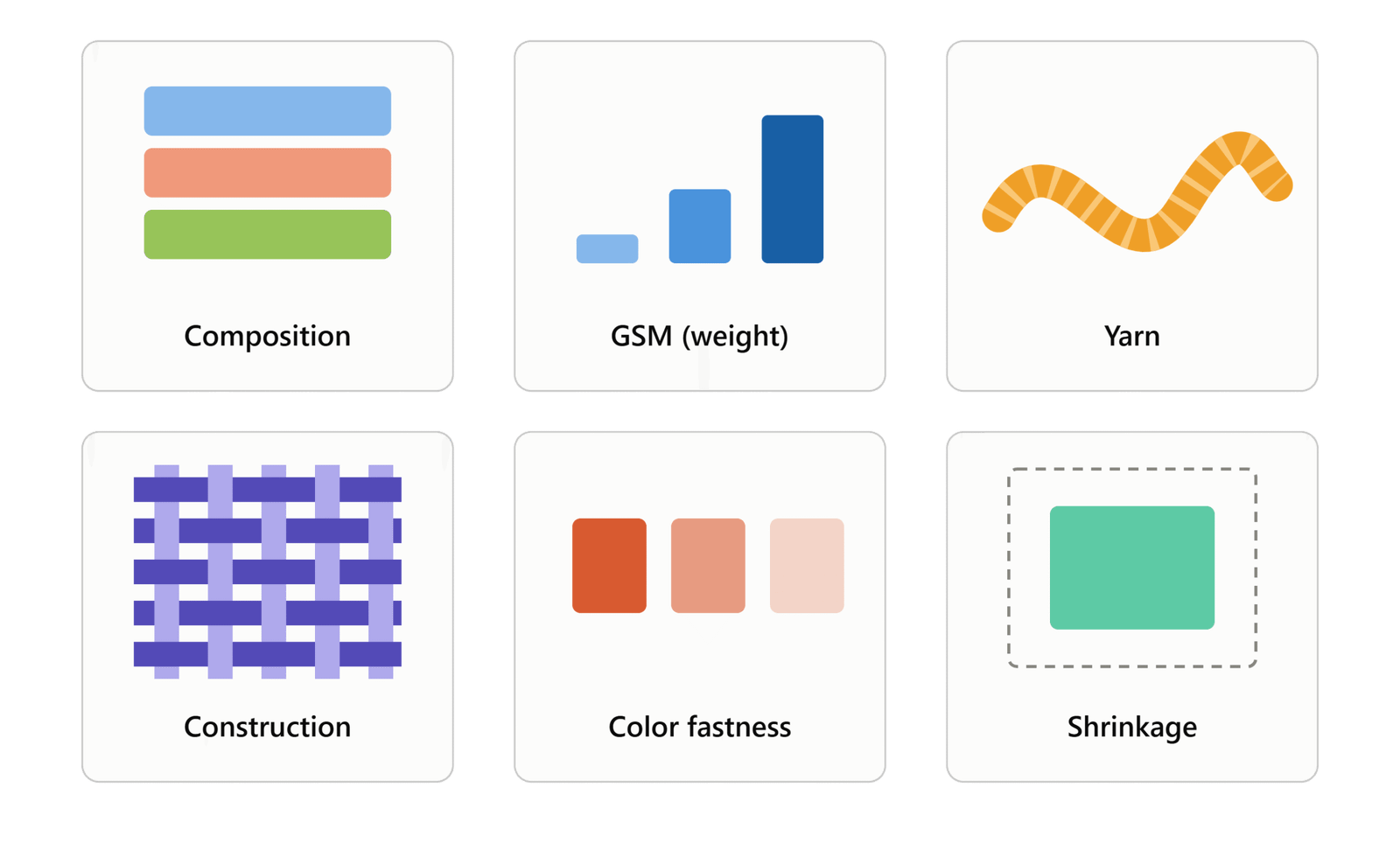
Important factors include:
-
- Fabric composition
- Fabric GSM
- Yarn quality
- Durability
- Softness
- Breathability
- Shrinkage
- Color fastness
- Fabric construction
A higher price does not automatically mean better fabric. The right material depends on the garment, target customer, climate, and intended use.
What Is GSM in Clothing?
GSM Formula
GSM = Fabric Weight (grams) ÷ Fabric Area (square meters)
GSM in clothing means grams per square metre. It is commonly used to describe the weight of fabric.
For example, a lightweight fabric generally has a lower GSM, while a heavier fabric generally has a higher GSM.
However, higher GSM does not always mean better fabric.
For example:
- Fabric sample weight = 50 g
- Sample size = 0.5 m × 0.5 m
- Area = 0.25 m²
GSM = 50 ÷ 0.25 = 200 GSM
So, the fabric is 200 GSM.
If You Measure a Fabric Sample in cm
Use:
GSM = Weight (g) × 10,000 ÷ Length (cm) × Width (cm)
Example:
50 × 10,000 ÷ (50 × 50) = 200 GSM
How to Check Fabric Quality
Before purchasing fabric in bulk, take time to evaluate samples.
1. Check Fabric Composition
Look at the percentage of cotton, polyester, viscose, elastane, or other fibres.
Cotton fabric quality can vary significantly depending on fibre and manufacturing characteristics.
2. Check the GSM
Ask the supplier for the fabric's GSM specification and compare samples where necessary.
3. Feel the Fabric
Check its softness, thickness, texture, flexibility, and overall feel.
4. Check Shrinkage
Wash a sample according to the intended care instructions and check whether its dimensions change.
5. Check Color Fastness
Test whether the colour remains stable after washing and normal use.
6. Examine Construction
Look closely at the weave or knit, surface consistency, and visible defects.
Types of Cotton Fabric
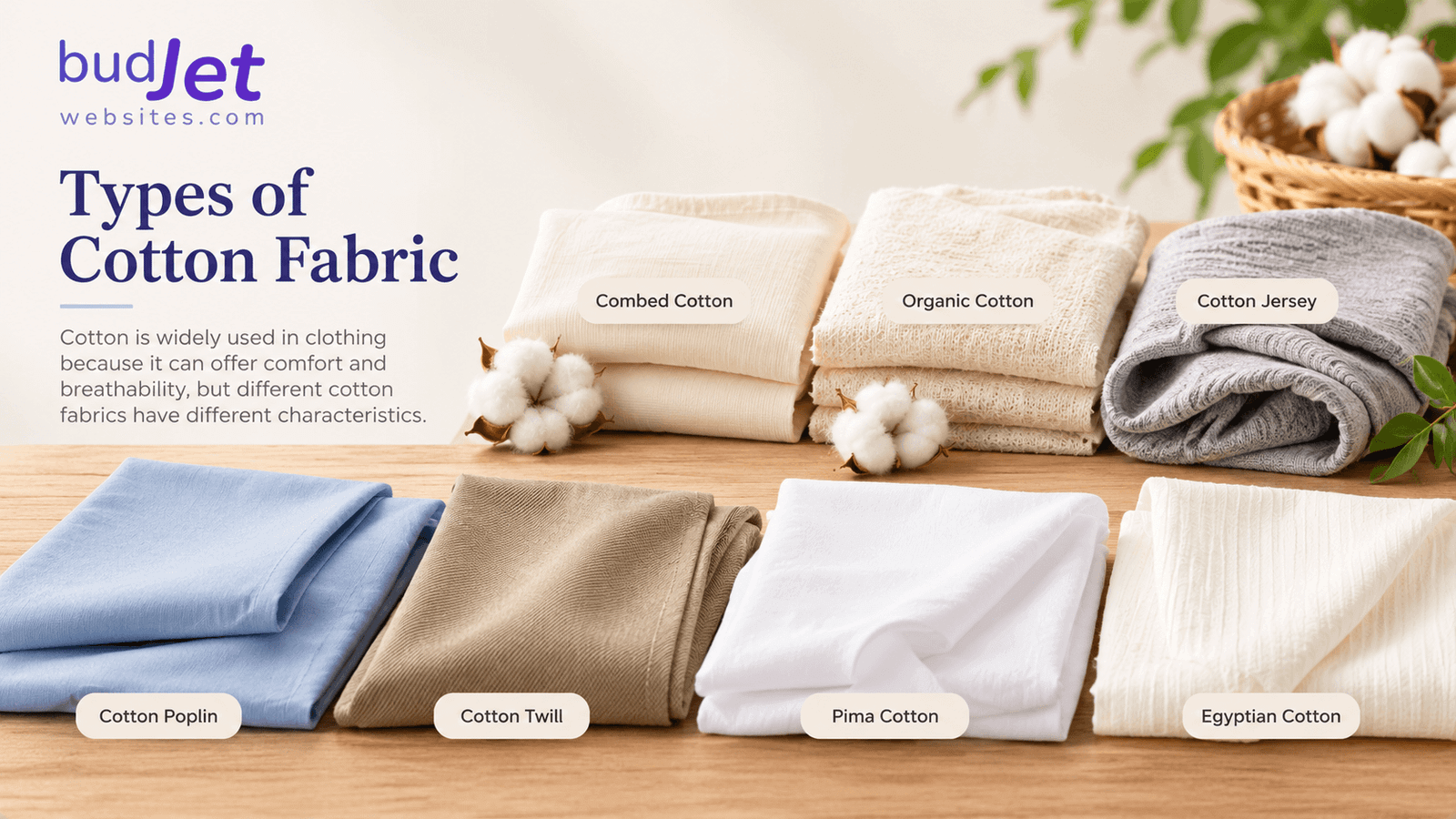
Common options include:
-
- Combed cotton
- Organic cotton
- Cotton jersey
- Cotton poplin
- Cotton twill
- Pima cotton
- Egyptian cotton
The best option depends on the garment you want to produce and your target market.
How to Choose Fabric for a Clothing Brand
When selecting fabric for your brand, consider:
1. Product Type
A T-shirt, formal shirt, dress, hoodie, and activewear product may require different materials.
2. Target Customer
Consider the customer's expectations for comfort, appearance, durability, and price.
3. Climate
Lightweight and breathable materials may be suitable for warm climates, while heavier fabrics may be preferred in colder conditions.
4. Brand Positioning
Your fabric choice should match whether your brand focuses on affordable, everyday, premium, sustainable, or performance clothing.
5. Production Requirements
Check whether the supplier can consistently provide the required quality, GSM, colour, and composition.
Why Fabric Quality Matters for a Clothing Brand
Good material selection can influence:
-
- Customer satisfaction
- Product durability
- Comfort
- Product reviews
- Returns
- Repeat purchases
- Brand reputation
A clothing product may look attractive in photographs, but customers ultimately experience the actual fabric.
This makes fabric selection for clothing brand development an important part of product planning.
How to Compare Fabric Suppliers
Before placing a large order, compare suppliers based on more than price.
Check:
-
- Fabric composition
- GSM
- MOQ
- Sample availability
- Pricing
- Lead time
- Quality consistency
- Colour availability
- Testing information
- Previous production experience
Always request samples before committing to a large quantity whenever possible.
Common Fabric Selection Mistakes
1. Choosing Only by Price
The cheapest material may not provide the quality your customers expect.
2. Ignoring GSM
Not checking fabric GSM can result in a material that feels different from what you expected.
3. Skipping Samples
Never rely only on photographs or descriptions when evaluating a new supplier.
4. Not Checking Shrinkage
Fabric can change after washing, which can affect the final garment size.
5. Ignoring Color Fastness
Poor colour fastness can lead to customer complaints and returns.
6. Buying Too Much Too Early
Test your fabric and product before committing to a large inventory.
How Budjet Websites Can Help Your Clothing Brand
Building a clothing brand requires both a strong product and a professional online presence.
Budjet Websites can help clothing businesses create a professional WordPress website to showcase:
-
- Clothing collections
- Product images
- Fabric information
- Product specifications
- Size guides
- Brand story
- Product categories
- Online shopping functionality
A well-structured website can help customers understand your products and discover your clothing brand online.
If you are still planning your business, read our main guide: How to Start a Clothing Brand in India.
Conclusion
Understanding fabric quality, GSM, cotton types, and material specifications can help you make better decisions when developing a clothing brand.
Before placing a large order, compare samples, check the fabric GSM, verify composition, test shrinkage and colour fastness, and evaluate suppliers carefully.
A strong clothing business combines quality products with effective branding, marketing, financial planning, and a professional online presence. Budjet Websites can help you build the website side of your clothing brand journey.
FAQs About Fabric Quality
1. What is GSM in clothing?
GSM in clothing means grams per square metre and is commonly used to indicate the weight of a fabric.
2. Does higher GSM mean better fabric?
No. GSM indicates fabric weight, not overall quality. The appropriate GSM depends on the garment and its intended use.
3. How can I check fabric quality?
Check the fabric composition, GSM, texture, construction, shrinkage, colour fastness, and sample performance before bulk purchasing.