
Why Understanding the Website Development Process Matters
Building a successful website requires more than just attractive design and coding. A professional website needs proper planning, user-focused design, advanced technology, SEO optimization, security, and continuous improvement. Understanding the complete process helps businesses make better decisions and choose the right development partner.
A reliable Web Development Company in Bangalore follows a structured approach to create websites that are fast, secure, mobile-friendly, and designed to achieve business goals.
Whether you are building a website for the first time or upgrading an existing one, knowing the Website Development Process helps you understand each stage, from initial planning to final launch.
A professional Website Development Company in Bangalore combines strategy, design, development, and SEO to deliver websites that attract visitors, generate leads, and support long-term business growth.
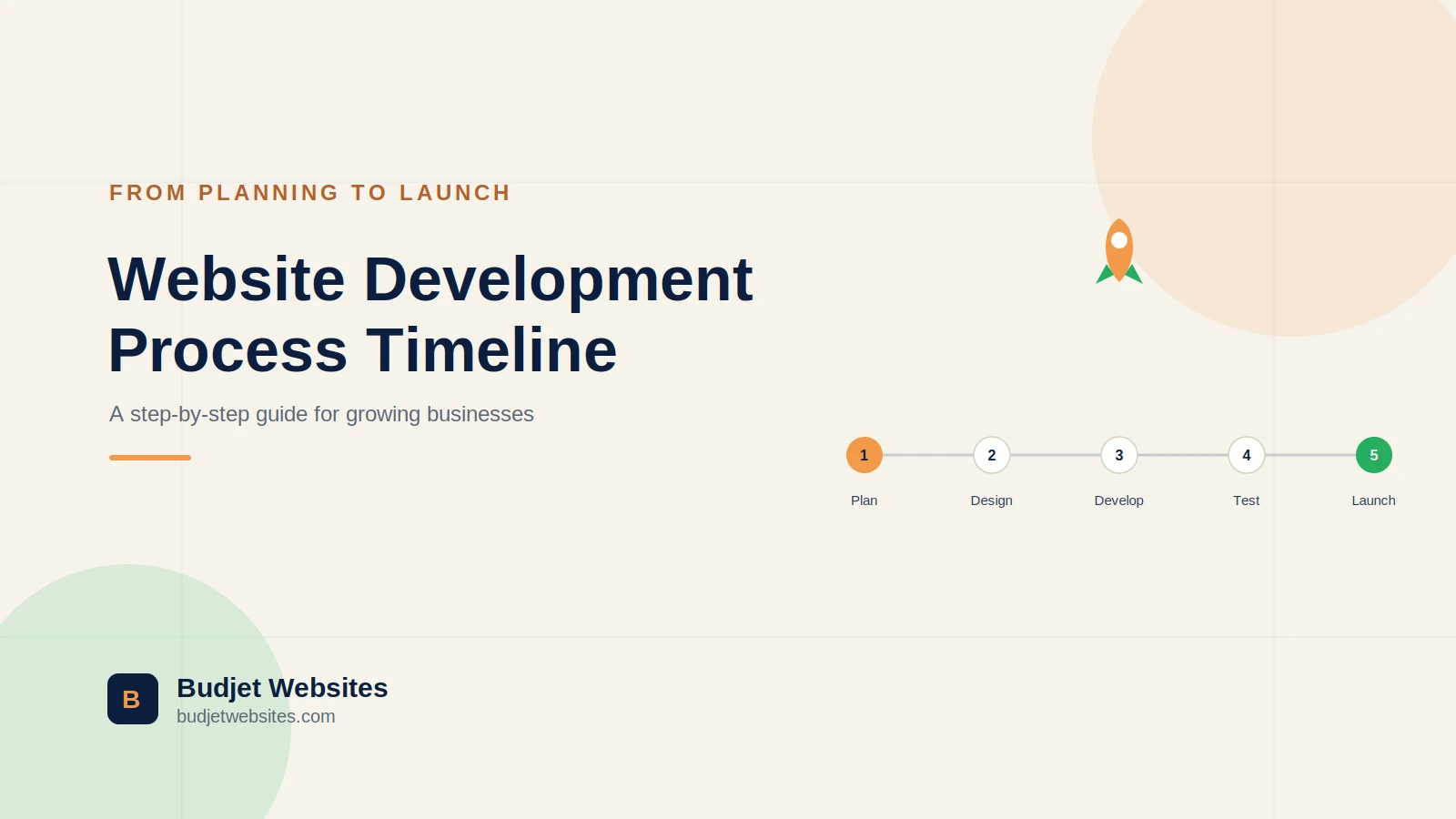
In this guide, we will explain the complete website development process, including planning, design, technology selection, development, testing, launch, and post-launch maintenance.
1. Website Planning and Requirement Analysis
The first stage of the Website Development Process is understanding your business requirements and defining clear goals.
Many businesses start development without proper planning, which can lead to unnecessary costs, delays, and poor website performance.
Before starting development, a professional Website Development Company in Bangalore analyses:
- Business objectives
- Target audience
- Competitor websites
- Required features
- Website structure
- Budget expectations
- Future scalability
Define Your Website Goals
Every website should have a clear purpose.
Your goal may be:
- Generate more enquiries
- Sell products online
- Build brand credibility
- Showcase services
- Improve customer communication
- Increase online visibility
For example, an ecommerce business may require product pages, payment gateway integration, and order tracking, while a service-based business may focus on enquiry forms and appointment booking.
A clear goal helps developers create a website that delivers measurable results.
2. Creating Website Structure and Sitemap
After understanding business goals, the next step is creating a website structure.
A sitemap acts as a blueprint that defines how different pages connect with each other.
A professional Website Development Company in Bangalore creates a strategic sitemap to improve:
- User navigation
- SEO performance
- Content organization
- Internal linking
- Future website expansion
Homepage
The homepage creates the first impression of your business.
It should include:
- Clear headline
- Services overview
- Benefits
- Customer reviews
- Strong call-to-action
About Us Page
This page builds trust by showing:
- Company background
- Team expertise
- Experience
- Achievements
- Business values
Service Pages
Dedicated service pages help users understand your offerings clearly.
Examples:
- Website Development Services
- Ecommerce Website Development
- Website Maintenance Services
- Custom Website Development ---> These pages also help target valuable SEO keywords.
Blog Section
A blog helps businesses:
- Improve search rankings
- Educate customers
- Build authority
- Generate organic traffic
3. Website Design and UI/UX Development
The design stage focuses on creating a website that looks professional and provides an excellent user experience.
A professional Website Design Company in Bangalore focuses on creating designs that are visually appealing while improving usability.
Important Elements of Website Design
Responsive Website Design
Modern websites must work smoothly across:
- Mobile devices
- Tablets
- Laptops
- Desktop screens ---> Responsive design improves user experience and supports SEO performance.
User-Friendly Navigation
Visitors should easily find important information.
Good navigation includes:
- Simple menus
- Clear categories
- Logical page structure
- Easy-to-find contact options
Conversion-Focused Design
A website should guide visitors toward taking action.
Important conversion elements include:
- Request a Quote buttons
- Contact forms
- WhatsApp integration
- Call-to-action buttons
- Lead generation forms --- > A visually attractive website that does not generate enquiries will not provide business value.
4. Choosing the Right Technology Platform
Selecting the right technology is an important part of the Website Development Process.
The platform affects:
- Website speed
- Security
- Scalability
- Maintenance
- Future upgrades
A professional Web Development Company in Bangalore recommends technology based on your business needs.
WordPress Development
Suitable for:
- Small businesses
- Service websites
- Blogs
- Portfolio websites
Benefits:
- Easy content management
- SEO-friendly structure
- Cost-effective
- Flexible customization
Custom Website Development
Suitable for:
- Large businesses
- SaaS platforms
- Advanced applications
- Custom integrations
Benefits:
- Complete flexibility
- Better scalability
- Advanced functionality
Ecommerce Website Development
For online businesses, ecommerce development includes:
- Product management
- Shopping cart
- Payment gateway
- Inventory management
- Customer accounts
- Order tracking
5. Website Development and Coding
Once design approval is completed, developers start building the website.
This stage includes both front-end and back-end development.

Front-End Development
Front-end focuses on the visible parts of the website.
It includes:
- Website layout
- Buttons
- Images
- Animations
- User interactions
Technologies include:
- HTML
- CSS
- JavaScript
Back-End Development
Back-end manages website functionality.
It includes:
- Database management
- User accounts
- Integrations
- Server configuration
- Security features
A skilled development team ensures the website performs efficiently and remains scalable.
6. Website Testing and Quality Check
Before launching, every website must go through detailed testing.
A professional Website Development Company in Bangalore performs multiple quality checks.
The platform affects:
Mobile Testing
Checking website performance across different devices.
Browser Testing
Ensuring compatibility with:
- Chrome
- Safari
- Firefox
- Edge
Speed Testing
Checking:
- Loading time
- Image optimization
- Performance issues
Security Testing
Includes:
- SSL verification
- Vulnerability checks
- Backup testing
Functionality Testing
Testing:
- Forms
- Buttons
- Payment systems
- Links
- Integrations
7. Website Launch Process
After successful testing, the website moves to the launch stage.
A professional Web Development Services Bangalore provider handles:
- Domain configuration
- Hosting setup
- SSL installation
- Google Analytics setup
- Google Search Console connection
- Sitemap submission
Before launch, businesses should complete a final website launch checklist:
✓ Mobile-friendly design
✓ SEO settings completed
✓ Images optimized
✓ Contact forms tested
✓ Security enabled
✓ Analytics installed
8. Website Maintenance and Continuous Improvement

The Website Development Process does not end after launch.
Regular maintenance keeps your website secure, updated, and performing well.
Professional Website Development Services may include:
- Security updates
- Performance monitoring
- Content updates
- Bug fixes
- Backup management
- Technical support
Continuous improvement helps businesses adapt to changing customer expectations and search engine updates.
Conclusion
A successful website requires a structured approach from planning to launch. Following a clear Website Development Process helps businesses create websites that are secure, user-friendly, SEO-ready, and designed to deliver measurable results.
Choosing an experienced Web Development Company in Bangalore ensures your website is built using the right strategy, modern technologies, and industry best practices.
At Budjet Websites, we focus on developing high-performance websites that align with your business goals and provide an exceptional user experience.
A professionally developed website is more than just an online presence—it's a powerful business asset that helps attract customers, increase conversions, strengthen your brand, and support long-term business growth.